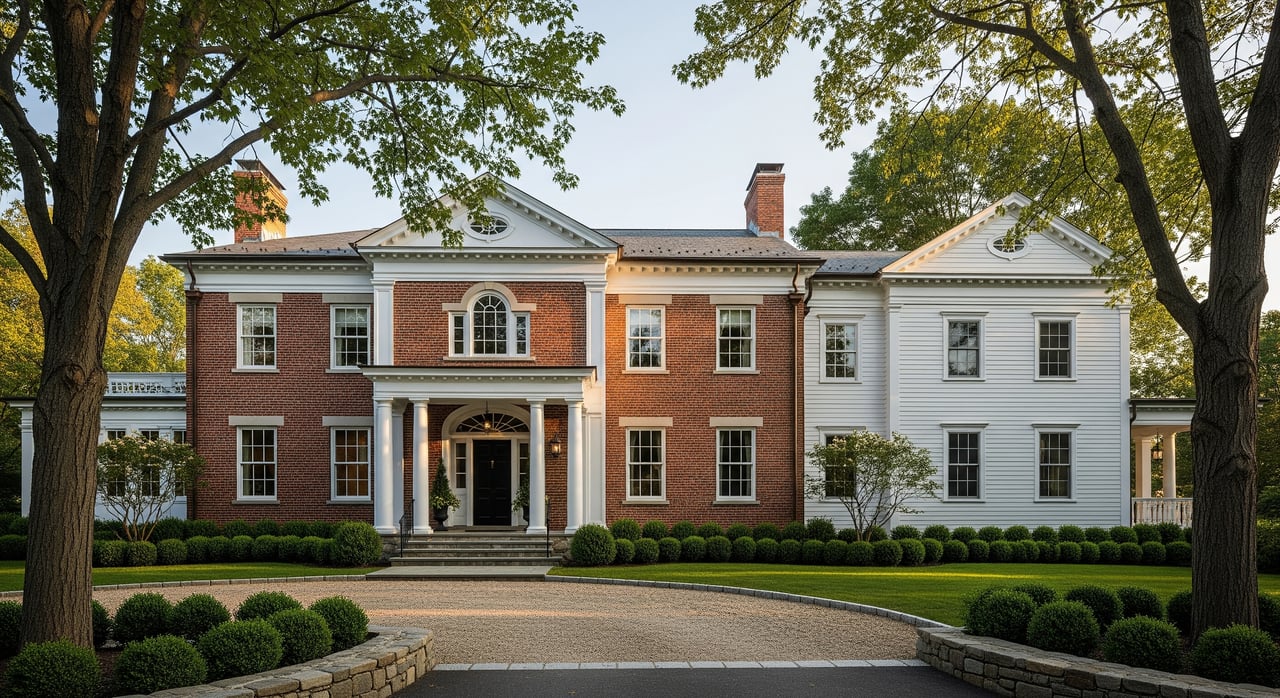
Love the charm of a classic Weston home but not sure if you are looking at a true Federal, a gracious Colonial Revival, or a Tudor with storybook details? In 02493, style and setting go hand in hand, from wooded estate lots to mid‑century gems tucked into cul‑de‑sacs. If you understand the vocabulary and what to inspect, you can make confident choices about condition, comfort, and future plans. This guide walks you through Weston’s predominant styles, how to spot them, what to ask about updates, and which photos to capture as you evaluate each property. Let’s dive in.
Why style matters in Weston
Weston’s homes reflect its growth from an 18th‑century agrarian village into a sought‑after Middlesex County suburb in the early 20th century. You will see a mix on the same street: a Colonial Revival near a mid‑century ranch, or a Tudor next to a newer luxury build. Because many lots are larger and wooded, the landscape and setback shape how each style feels on site.
If you love period character, expect tradeoffs. Historic windows, wide pine floors, and original moldings offer charm, while insulation, mechanicals, and energy performance may need attention. If you want turnkey modern living, know that many homes have piecemeal renovations. Plan to verify permits, systems, and how additions connect to the original structure.
Federal homes: early elegance
How to spot it
- Symmetrical front, often five bays wide, with slender proportions.
- Low‑pitched gable or hipped roof and a refined entry with a fanlight or elliptical transom and narrow sidelights.
- Double‑hung windows with 6‑over‑6 or 9‑over‑9 panes and thin muntins.
- Clapboard siding and a narrow cornice, sometimes with subtle dentils.
Interior clues
- Center‑hall plan, simple but refined woodwork, delicate mantel details, built‑ins, and a gracefully scaled stair.
What to check
- Altered openings that changed window or door sizes and the home’s balance.
- Stone foundations with moisture, settling, or poor drainage.
- Original single‑pane windows with potential rot at sills.
- Outdated wiring, minimal insulation, and older mechanicals.
Smart updates
- Restore original windows with weather‑stripping and add storm panels where appropriate.
- Air‑seal and insulate the attic, then consider wall insulation.
- Upgrade electrical capacity and modernize HVAC with zoning while preserving visible historic features.
Photo checklist
- Full façade and centered entry close‑up showing fanlight and sidelights.
- Window muntins and cornice detail.
- Interior stair and mantels.
- Foundation at grade, including any moisture signs.
Colonial Revival: Weston’s classic
How to spot it
- Symmetry is common, though flexible, with center or side‑gabled roofs.
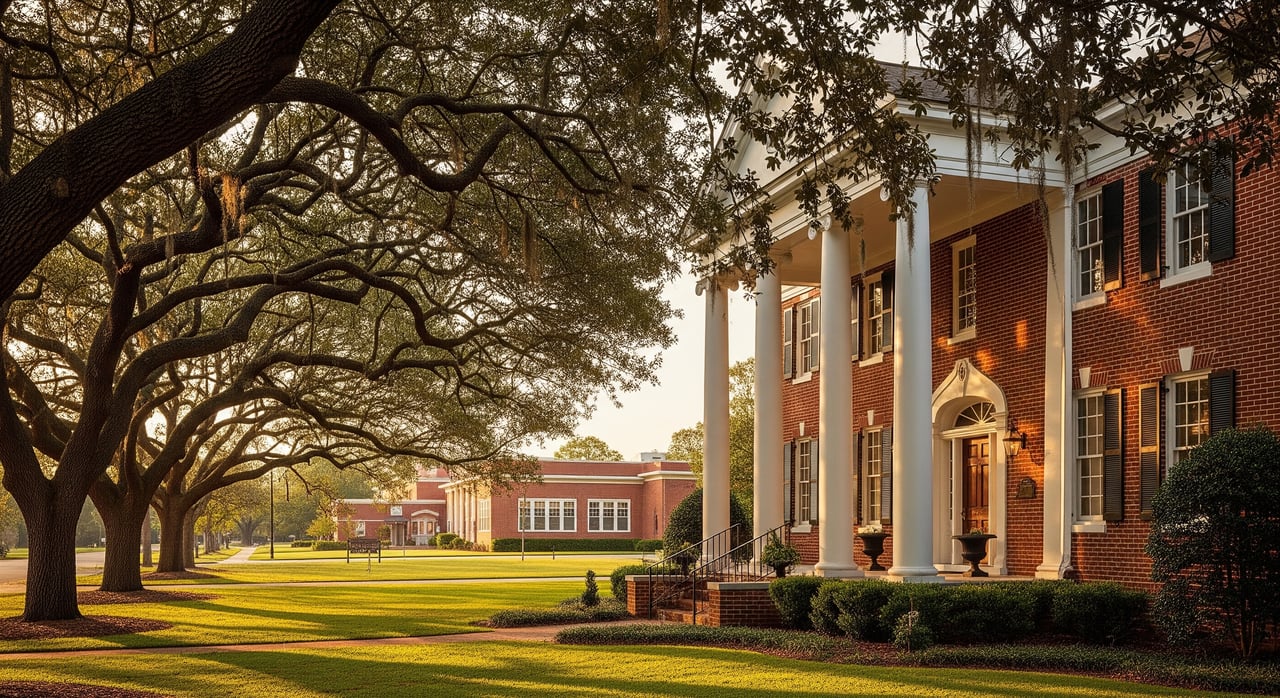
- Classical details such as columns, pediments, pilasters, and porticos.
- Multi‑pane double‑hung windows, often 6/6, 9/9, or 12/12, with shutters.
- Clapboard or shingle siding, and sometimes brick.
Interior clues
- Formal parlor and dining rooms, a prominent central staircase, and classical moldings. You often see modernized kitchens and baths from later renovations.
What to check
- Window history. Are sashes original, restored with storms, or replaced? Do new units match profiles on the street side?
- HVAC routing through attic or basement, insulation levels, and ductwork quality.
- Additions that may not match proportions or detailing. Review rooflines and foundation continuity.
Smart updates
- Attic air‑sealing and insulation for immediate comfort gains.
- Energy‑conscious window work that respects the façade.
- Thoughtful additions that align roof pitch, trim profiles, and massing with the original house.
Photo checklist
- Entry and portico, including column and cornice detail.
- Window trim and stair hall.
- Formal rooms and transitions to any additions.
Tudor Revival: storybook presence
How to spot it
- Steeply pitched gables and cross gables, with decorative half‑timbering.
- Tall, narrow multi‑paned windows, often leaded or casement.
- Substantial chimneys, sometimes with decorative chimney pots, and arched entries.
- Brick or stone cladding and, at times, slate roofs.
Interior clues
- Exposed beams, plaster walls, leaded‑glass accents, inglenooks, and masonry fireplaces.
What to check
- Masonry and mortar condition, plus any differential settlement.
- Slate or tile roof repairs and patching quality.
- Water intrusion where half‑timbering meets gables, including flashing.
Smart updates
- Preserve original masonry and timber details while improving drainage and flashing.
- Plan for professional slate or tile maintenance.
- Upgrade mechanicals with minimal visual impact on interior ceilings and beams.
Photo checklist
- Gables, half‑timbering, and chimney details.
- Arched door surrounds and masonry close‑ups.
- Interior fireplace and beam conditions.
Mid‑century modern and postwar: indoor‑outdoor ease
How to spot it
- Low‑pitched or flat roofs and long, horizontal lines.
- Large panes of glass, picture windows, and clerestories that connect to the landscape.
- Vertical wood siding or brick, with simple geometric forms.
Interior clues
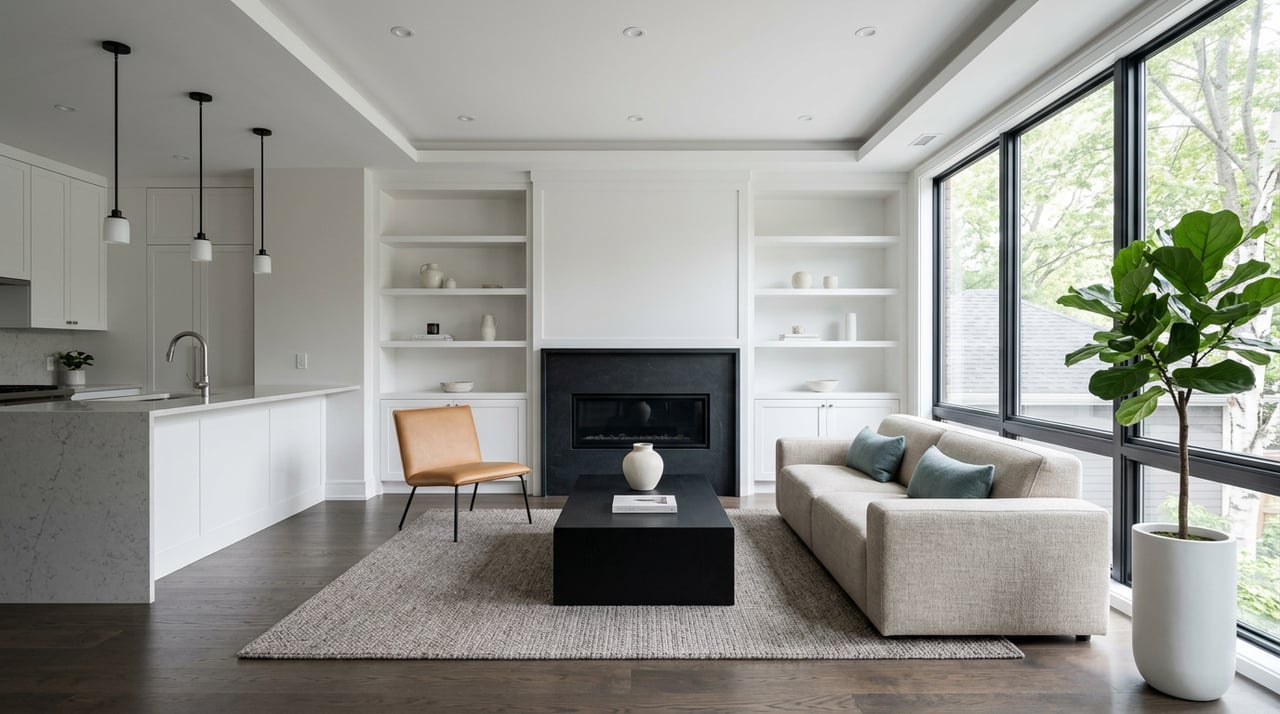
- Open plans that combine living, dining, and kitchen areas.
- Built‑ins and, in some homes, radiant floors or baseboard heat.
What to check
- Original single‑pane or aluminum‑frame windows and their efficiency.
- Potential asbestos in floor tiles or duct wrap, and the presence of lead paint.
- Flat or low‑slope roof membranes for leaks and staining.
- Electrical capacity and any aluminum wiring in some homes.
Smart updates
- Roof membrane replacement and improved insulation at the roof deck.
- High‑performance glazing sized to preserve original rhythms.
- Heat pumps for efficient heating and cooling, plus a 200‑amp electrical panel for modern loads.
Photo checklist
- Elevation that shows roofline and horizontality.
- Window walls and indoor‑outdoor connections.
- Mechanical room and roof condition.
New construction and luxury additions: modern comfort
How to spot it
- Larger footprints, multiple gables, and mixed materials such as stone veneer, fiber‑cement siding, and metal accents.
- Expansive glazing, contemporary porches, and oversized or detached garages.
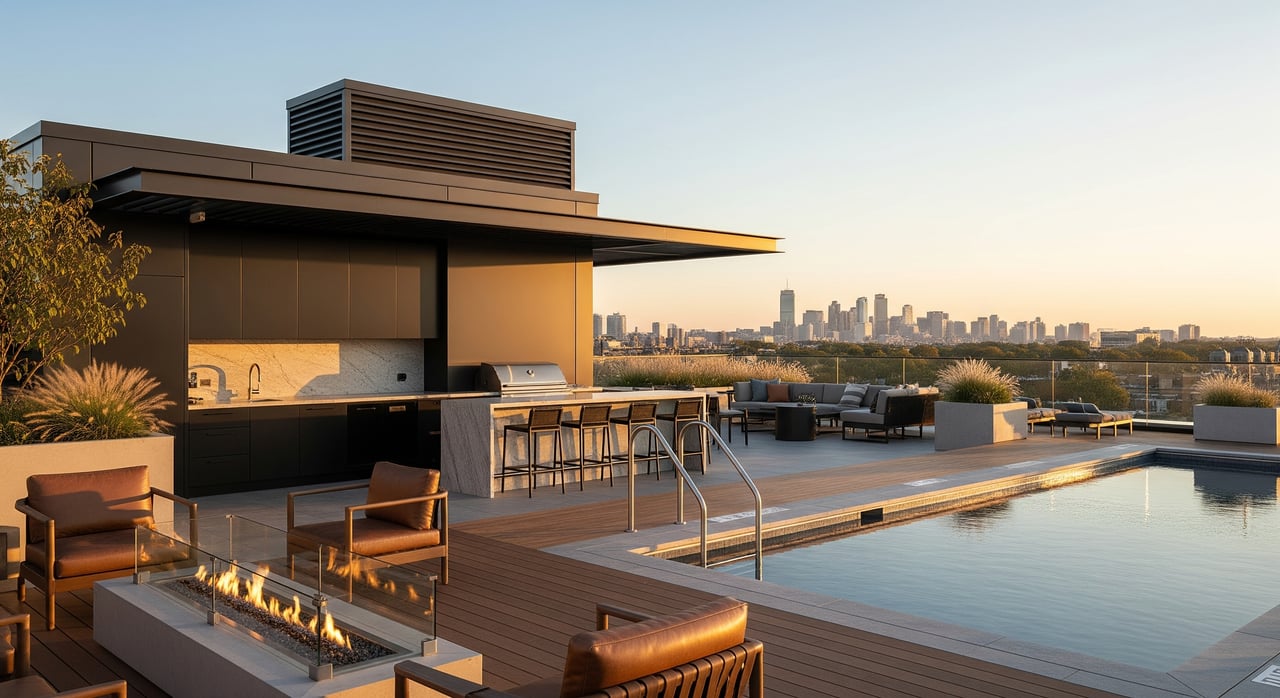
- Outdoor amenities such as terraces, pools, and pool houses.
Interior clues
- Open plans, high‑end kitchens and baths, home‑automation, and energy‑efficient systems.
What to check
- Permits and Certificates of Occupancy for additions and finished basements, including egress compliance.
- Quality of HVAC, electrical service, and plumbing, such as 200‑amp service and modern piping.
- Drainage, grading, retaining walls, and tree impacts on the site.
Smart updates
- Confirm warranties and service logs for systems.
- Fine‑tune landscaping and drainage for long‑term performance.
- Consider future amenities early to align with setbacks and lot coverage.
Photo checklist
- Façade and massing from front and rear.
- Kitchen, baths, and mechanical room.
- Landscape grading, retaining walls, and any energy features.
Condition and red flags to prioritize
Systems and envelope
- Roof age and material. Asphalt shingles often last 20 to 30 years. Slate or standing seam can last longer but cost more to service. Look for patches, sagging, and interior stains.
- Foundation and grading. Stone foundations may need repointing or underpinning. Note cracks, uneven floors, moisture, and efflorescence. Confirm that the grade carries water away from the house.
- Windows and insulation. Check for rot at sills and meeting rails, and note whether windows are original, restored, or replaced. Attic and wall insulation are often minimal in older homes.
- Heating, cooling, electrical, and plumbing. Verify the age of boilers and furnaces, any oil tanks and records, electrical capacity, and the presence of knob‑and‑tube or aluminum wiring. Older galvanized pipes can corrode, and cast‑iron or clay sewer laterals may warrant a scope.
Typical red flags
- Unexplained water stains inside or out.
- Cracked or bowing foundations and significant floor slope.
- Repeated roof patching, especially where slate was mixed with asphalt.
- Unpermitted renovations or “as is” language with little documentation.
- Missing records for high‑voltage service or oil tanks, including any buried tanks.
- Large tree removal or new retaining walls that may hint at past drainage issues.
Permits, zoning, and conservation in Weston
- Historic review. Some areas are subject to local preservation practices. Before exterior changes, contact the Weston Historical Commission and the Town Planning and Building Departments to confirm any review requirements and to verify permits for prior work.
- Conservation and wetlands. Weston’s conservation lands and wetlands buffers often affect site work. Check with the Conservation Commission for restrictions, past approvals, or enforcement actions.
- Zoning and site limits. Verify setbacks, allowable lot coverage, floor‑area ratios if applicable, and parking standards, especially when planning additions or accessory structures.
- Septic versus sewer. Some homes use private septic systems. Confirm hookup status, system age, permits, and plan for Title 5 compliance as required.
When you request disclosures, ask for permits and COs, as‑built drawings, recent energy reports, mechanical replacement receipts, warranties, and any documented structural or pest repairs. Utility invoices can also help gauge energy performance.
A photo plan for buyers
Use photos to capture both character and condition so you can compare options with clarity.
- Site and context: Wide front elevation showing setback, driveway, and mature trees, plus one street view to show neighborhood context. Rear and side elevations to reveal additions and outdoor living spaces.
- Roof and drainage: Aerial or ladder shots for roof material and condition. Downspouts, grading, and any retaining walls.
- Architectural details: Entry surrounds, columns or pilasters, cornices, window sash details, masonry or half‑timbering, and special roof materials.
- Interiors: Main hall and stair, formal rooms, kitchen and primary bath, built‑ins, mantels, flooring, and any exposed structure.
- Systems: Mechanical room, electrical panel, visible attic insulation, and basement conditions.
- Condition: Close‑ups of rot, peeling paint, cracked masonry, water stains, or roof patches.
Quick vocabulary
- Exterior: clapboard, shingle, cornice, dentil molding, pediment, portico, pilaster, fanlight, sidelights, gable, hip roof, gambrel, eave, dormer, ell.
- Interior: parlor, center hall, side hall, inglenook, built‑ins, service stair, mudroom.
- Systems and process: knob‑and‑tube wiring, Title 5, Certificate of Occupancy, Order of Conditions, conservation restriction, lot coverage, right‑of‑way.
How to shop with confidence in 02493
As you tour Weston homes, pair your style checklist with a condition lens. Ask how additions were permitted, whether systems were updated as a coordinated plan, and how the site handles water. For historic homes, prioritize behind‑the‑walls upgrades while preserving visible character. For mid‑century or newer builds, focus on envelope performance, mechanical quality, and documentation.
When you are ready for a deeper look, lean on experienced representation that understands both style and substance. The right team can coordinate staging and photography for sellers, and help buyers verify permits and improvements with the town and the appropriate professionals. If you want tailored guidance on Weston architecture and what to prioritize, connect with the Kennedy Lynch Team.
FAQs
How do I tell Federal from Colonial Revival in Weston?
- Look for scale and entry detail. Federal homes are earlier, with slender proportions and refined fanlights. Colonial Revival homes are later, often larger, with classical porticos and more flexible symmetry.
What are the biggest system risks in older Weston homes?
- Roof age, moisture at stone foundations, original single‑pane windows with rot, outdated wiring, minimal insulation, and older boilers or oil tanks should all be checked.
Do additions on historic homes hurt value?
- Not if they are well‑designed and permitted. Additions that match rooflines, foundations, and trim while upgrading systems tend to perform best over time.
Are mid‑century houses in 02493 hard to modernize?
- They can be straightforward if you plan for roof membrane upgrades, better glazing, and efficient HVAC, while keeping the open plan and indoor‑outdoor feel that define the style.
What town offices should I contact before renovating?
- Start with the Weston Historical Commission for potential review, the Building and Planning Departments for permits and zoning, and the Conservation Commission for wetlands or buffer constraints.
How do conservation rules affect pools or guest houses?
- Wetlands buffers, tree protections, and lot coverage can shape what is allowed. Verify setbacks and get guidance from the Conservation Commission early in your planning.