Wondering if Sargent Estates is the right luxury condo fit for your next chapter in Brookline? You want low-maintenance living, strong amenities, and a smart purchase that holds value. In this guide, you’ll see what Sargent Estates offers, how recent prices and fees stack up, how it compares to nearby luxury buildings, and the key documents to review before you commit. Let’s dive in.
Why Sargent Estates stands out
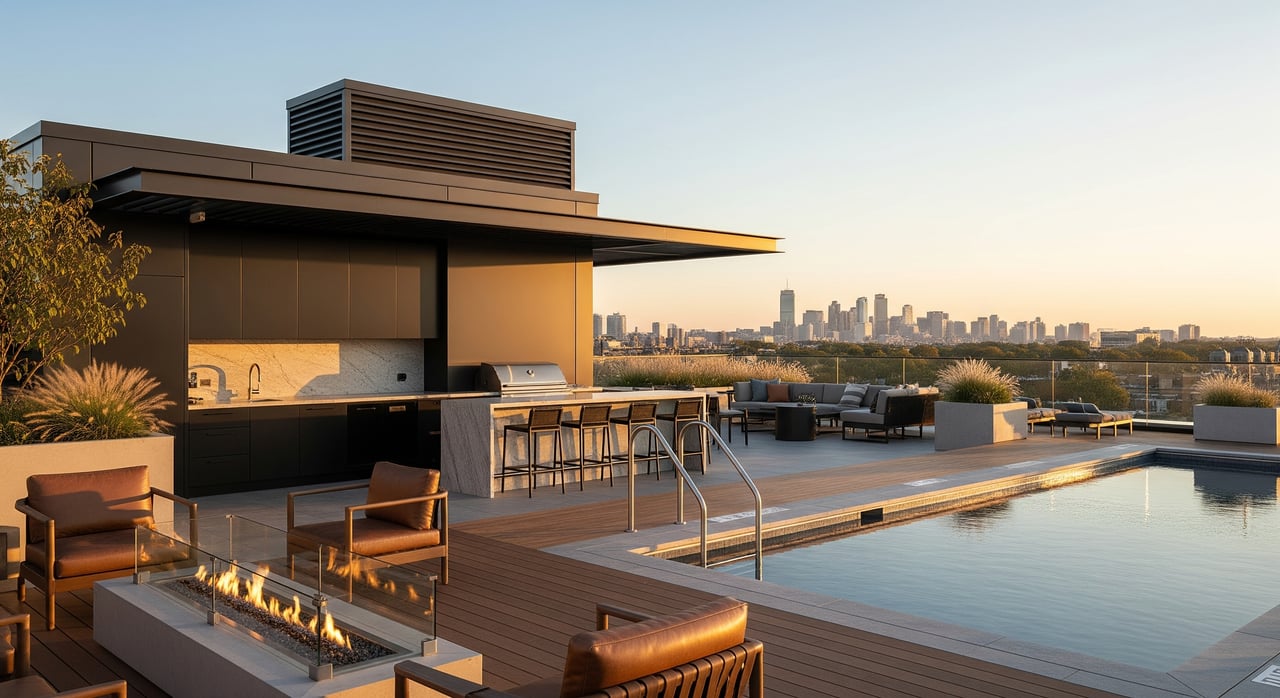
Sargent Estates at 22 Chestnut Place is a mid-rise community built in 1969 with a classic, well-kept setting and a full suite of services. Typical amenities include a concierge or part-time doorman, elevators, landscaped grounds, a seasonal outdoor pool, sauna, function room, bike storage, and assigned or garage parking in many units. You can confirm the amenity set on the building profile for Sargent Estates. See building details and amenities.
If you want a convenient Brookline location near the Longwood Medical Area and transit, Sargent Estates delivers good access and a calmer residential feel. The building’s mix of one and two bedroom homes appeals to professional couples and downsizers who want space, parking options, and on-site services without the upkeep of a single-family home.
What condos cost at Sargent Estates
Recent public transactions suggest Sargent Estates trades in the mid to upper mid range within Brookline’s luxury condo spectrum. For example, Unit 201 at approximately 1,097 square feet closed around 738,000 dollars in September 2024, which is about 673 dollars per square foot. Review the Unit 201 sold data.
Across 2024 to 2025, listings and closings inside the complex have ranged roughly from the mid 500,000s to the high 700,000s depending on size, floor, renovation level, and parking. Monthly condo fees vary by unit and what services are included. Public listing examples show fees starting in the low 300s per month and extending above 700 per month in some cases. See a representative listing with fee details.
Compare true carrying costs
To compare homes across different buildings and fee structures, use two simple checks:
- Price per square foot: divide the list or sale price by the unit’s square footage to benchmark value. The Unit 201 example above works out to about 673 dollars per square foot.
- HOA fee per square foot: divide the monthly HOA by the unit’s square footage to normalize fees across buildings.
Then compute your net monthly outlay: principal and interest based on your lender’s rate plus property tax, HO-6 insurance, HOA fee, and a small monthly allowance if you anticipate near-term assessments. Your lender can help you plug in current rates.
How Sargent Estates compares nearby
Longwood and Coolidge Corner mid-rise luxury
Full-service buildings in the Longwood and Coolidge Corner corridor often deliver larger lobbies, concierge, valet or garage parking, fitness rooms, and seasonal pools. These perks usually command a premium over older mid-rise product. For example, buildings like 50–60 Longwood Avenue show the appeal of staffed services, garage options, and central locations. Explore an example at 60 Longwood Avenue.
Boutique new construction and townhomes
Smaller, high-end condo projects in Coolidge Corner, Fisher Hill, and Chestnut Hill tend to feature private elevators, luxury finishes, garage parking, and terraces. They trade at higher price per square foot for turnkey specs and private outdoor space. If you want new-build convenience and a boutique feel, expect to budget above older mid-rise pricing.
High-end conversions and penthouses
Architecturally renovated condos and multi-level penthouses around Coolidge Corner and Brookline Hills can reach well into the multi-million range. These properties set the ceiling for top-of-market finishes and locations and provide context when you evaluate upper-tier units elsewhere.
Due diligence that protects your purchase
A great condo includes a healthy association. Before you finalize an offer, make sure you and your attorney request and review the full resale package. Here are the essentials to cover.
Massachusetts 6D essentials
Massachusetts law requires the association to provide, upon written request, a statement of any unpaid common expenses and related priority amounts within 10 business days. The statute allows a reasonable fee for the statement and makes it binding when recorded. This is the legal basis for the common “6D” or estoppel certificate used in closings. Read M.G.L. c.183A, Section 6.
The 6D is a snapshot of arrears and payoff amounts. It does not replace the broader resale packet that includes bylaws, budget, reserves, minutes, and insurance. Many managers treat a 6D as current only for a short window, so your attorney will coordinate timing with the closing. See a local overview of 6D practice and timing.
What documents to request
Ask for these items, then have your attorney and CPA review them within your contingency window:
- 6D statement, current unit ledger, and payoff instructions.
- Master deed, bylaws, and rules and regulations to confirm voting thresholds, amendment process, leasing and pet rules, and alteration guidelines. Learn what to look for in governing documents.
- Current operating budget, recent income and expense statements, year-to-date P&L, and a balance sheet showing cash and reserves.
- Latest reserve study or engineering report plus the current reserve balance and a record of special assessments over the last 5 to 10 years. See industry emphasis on up-to-date reserve studies.
- Board meeting minutes for the last 12 to 24 months to identify upcoming projects, assessments, or litigation.
- Insurance declarations for the master policy, with coverage limits and deductibles. Confirm whether owners share responsibility for the master deductible. Review Massachusetts guidance on insurance in real estate.
- Management and maintenance contracts, including elevator, landscaping, and major vendor warranties.
- Owner-occupancy rates, rental policy, and current delinquency report.
- Any pending or threatened litigation and related professional opinions.
Financial red flags to watch
- No recent reserve study or a low reserve balance relative to upcoming capital needs.
- A pattern of special assessments over recent years without a longer-term plan.
- High owner delinquency rates or signs of governance or litigation issues in the minutes.
- Insurance coverage that does not meet lender standards or has very high deductibles.
Any of these can affect price, resale value, and financing. If concerns surface, you can seek a seller credit, price adjustment, or an escrow holdback at closing to cover known association obligations.
Financing and project eligibility
Condo project eligibility can shape your loan options and the size of the buyer pool. Lenders look at owner-occupancy rates, budget health, reserves, and litigation exposure when assessing whether a project is “warrantable.” If a project does not meet common standards, you may still close, but options can narrow and down payment requirements can increase. Have your lender run a quick project check early in the process. See Fannie Mae’s condo project guidance.
If you plan to use FHA or VA financing, confirm whether the project has or can obtain the needed approval. Early verification avoids last-minute financing issues and helps you tailor your contingencies with confidence.
How an expert evaluates value at Sargent Estates
A seasoned advisor will anchor your search in data and association health, not just list price. Here is the approach we use when comparing units at Sargent Estates and nearby buildings:
- Confirm the building profile: size, amenities, management, and year built. Start with verified building facts.
- Pull same-building comps first, then expand to nearby buildings with similar services and parking. Adjust for floor, views, renovation level, outdoor space, and deeded parking or storage. Use recent in-building sales as primary comps.
- Score the association’s financial health: reserves versus the latest study, budget versus past spending, delinquency rate, and any active or threatened litigation. Ask questions about near-term capital projects and insurance deductibles.
- Check financing eligibility with your lender to confirm the widest loan options and terms.
- Compare net monthly cost and lifestyle fit across buildings. Factor in carry costs, likely maintenance schedules, and on-site services that matter to you.
When it is time to write an offer, build in practical protections. Request the full resale packet right away, include a clear review window for documents, and add a contingency for lender project acceptance if needed. These steps keep you informed while helping you compete in a low-supply market.
Ready to see if Sargent Estates or a nearby Brookline building is the right match for your needs? Reach out to the Kennedy Lynch Team to compare active opportunities, clarify association health, and craft a confident plan. Request a complimentary market consultation.
FAQs
What makes Sargent Estates a good fit for Brookline downsizers?
- You get elevator access, a concierge or part-time doorman, landscaped grounds, a seasonal pool, and parking options with less upkeep than a single-family home.
What are recent prices and fees at Sargent Estates in 2024–2025?
- Public data shows a range from the mid 500,000s to the high 700,000s, with an example sale around 738,000 dollars at about 673 dollars per square foot; monthly fees vary by unit and services.
How does the Massachusetts 6D certificate affect a Brookline condo closing?
- The association must provide a statement of unpaid common expenses within 10 business days of a written request, and it is used at closing to verify arrears and payoffs.
Which documents should I review before buying a Brookline condo?
- Ask for the 6D, governing documents, budget and financials, reserve study, board minutes, insurance declarations, management contracts, occupancy and delinquency data, and any litigation info.
Why does condo project eligibility matter for my loan?
- Project eligibility affects which loan programs are available and on what terms; a warrantable project can mean more lender options and often better rates or down payment choices.